Private Thoroughbred Ownership
How Ownership Works
A clear guide to ownership structures, costs, horse development and the experience that begins when you become part of the race.
More Than An Investment
Participate Directly In An International Sport
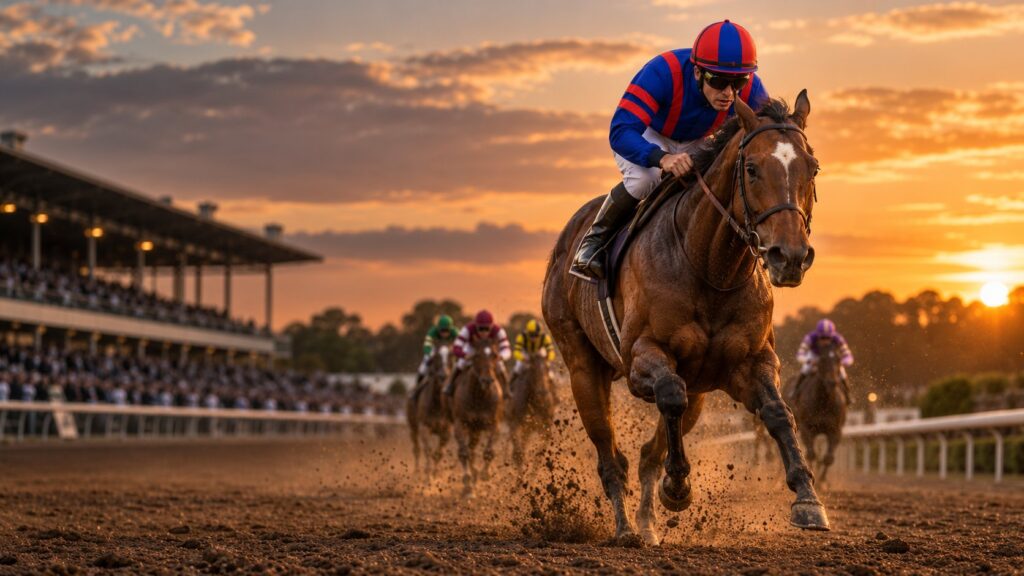
Racehorse ownership offers something conventional investments cannot: a direct part in a competitive international sport. For many owners, the experience matters as much as the investment itself.
With opportunities beginning at approximately $50,000, we give qualified investors access to carefully selected horses, professional management and the world that surrounds them, without needing any previous experience of racing.
Discover Racing As An Owner
Why Ownership?
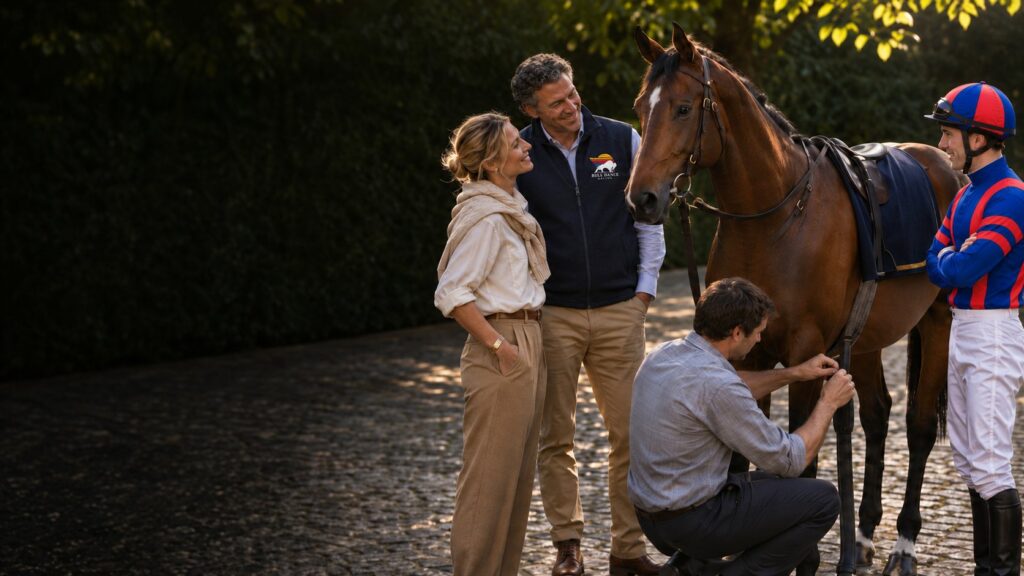
Ownership brings you closer to the sport, with access to your horse’s team, regular updates and the excitement of watching your own horse compete.
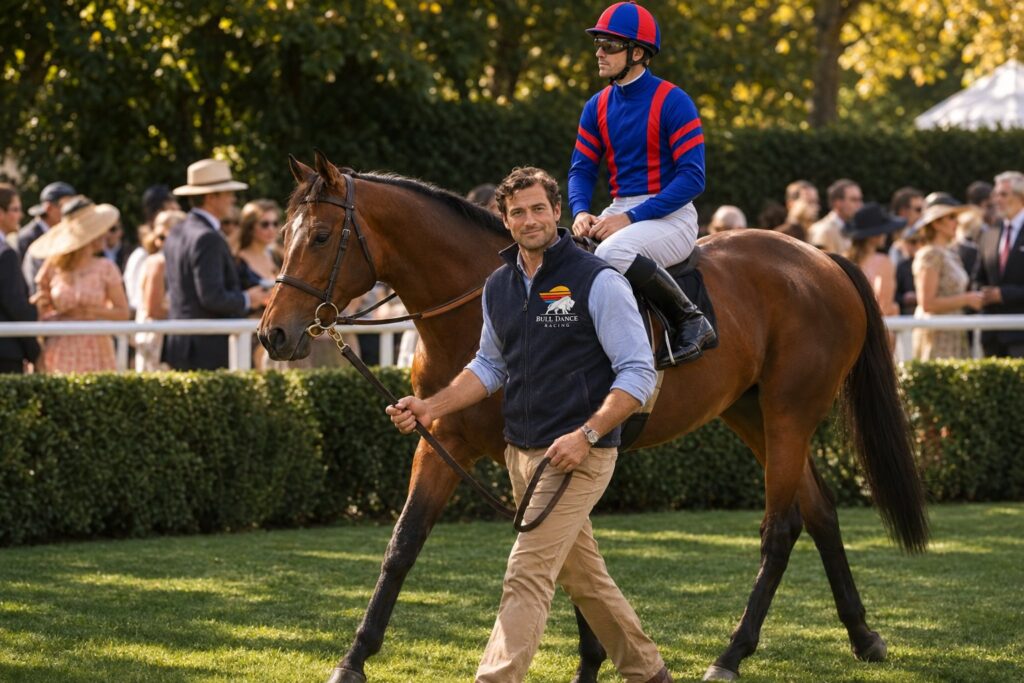
Race Day Thrills
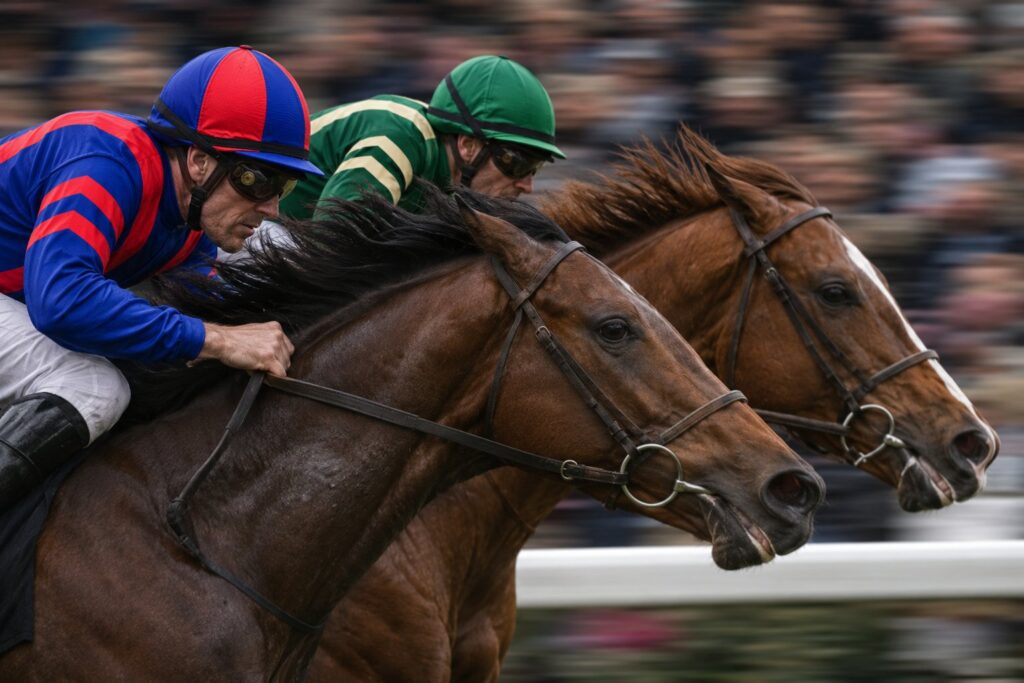
From the paddock to the winner’s circle, as an owner rather than a spectator.
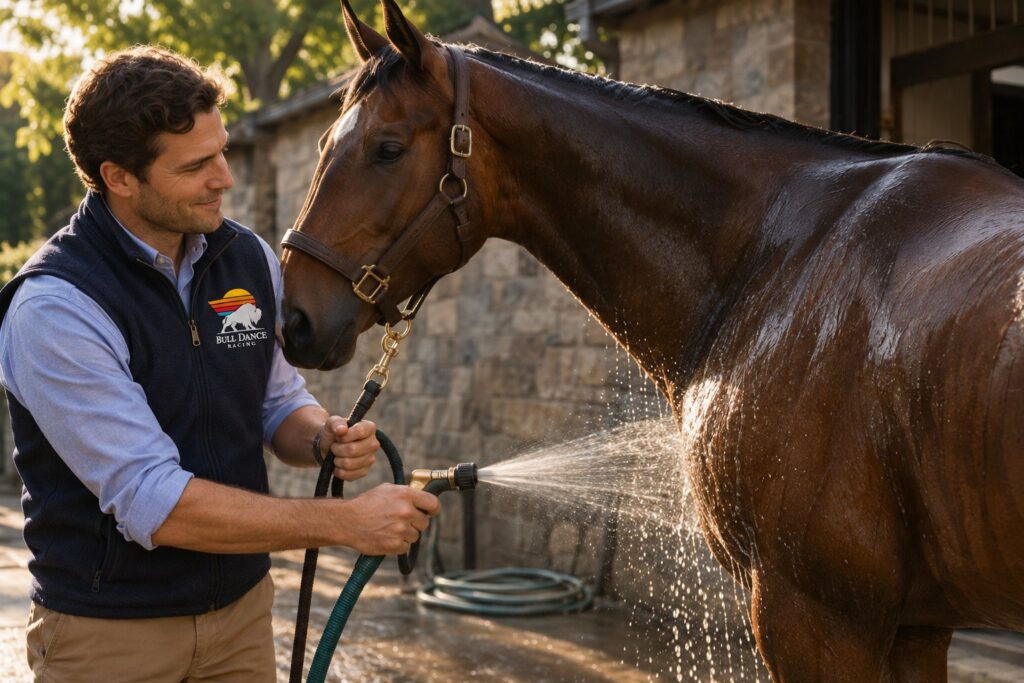
Behind The Stables
Morning work, trainers and the daily craft that sits behind every start.
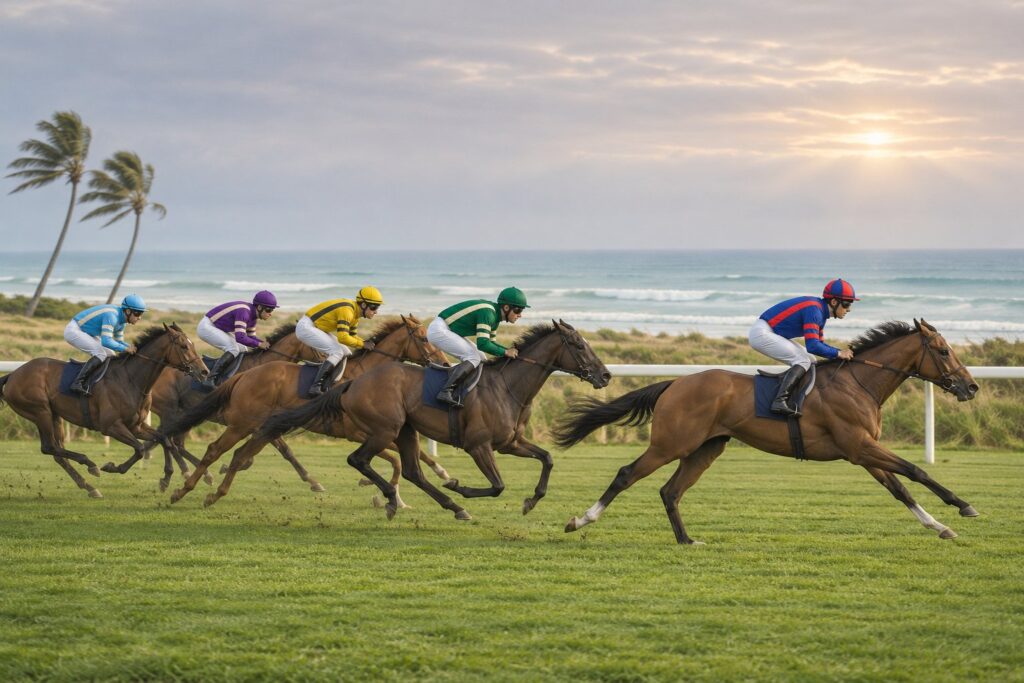
Global Racing
Premier racing events and destinations across the international circuit.
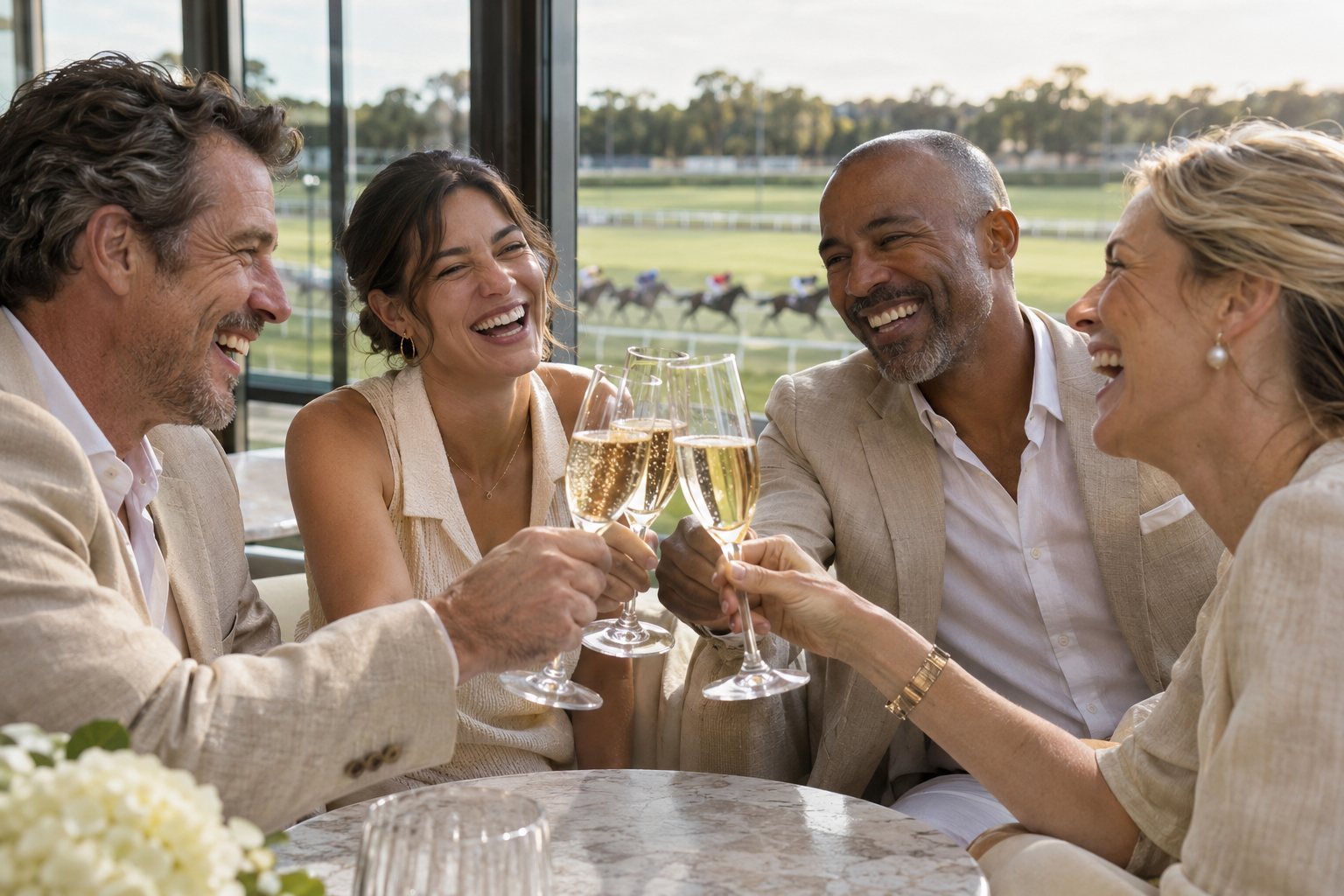
Owner Experiences
Hospitality and access reserved for the people behind the horse.
Explore Ownership
The Essentials, Explained Clearly
Our 2026 investor deck, followed by trusted independent resources organized by subject, so you can explore ownership in as much depth as you like.
Investor Download
2026 Bull Dance Racing Investor Deck
Our 2026 plan, the Bull Dance model, case studies, the four horses in this year’s offering and the full capital structure and offering terms, in one presentation.

Ownership & Education
Practical guidance for understanding ownership structures, responsibilities and the wider thoroughbred industry.
Racing Data & Standards
Official results, statistics, global rankings and regulatory reference material.
Sales & Bloodstock
Leading auction houses with catalogs, sale schedules, results and buyer information.
Welfare & Aftercare
Resources focused on responsible ownership, retirement, retraining and long-term thoroughbred care.
External organizations control their own content and availability. Inclusion is for general information and does not constitute investment, legal or tax advice.
New To Racehorse Ownership?
Everything You Need To Know
Ten short topics that take you from knowing very little about racehorse ownership to being well informed before you ever speak with our team. Select a topic to read more.
Why Racehorses?
Thoroughbred racing is one of the few investments you can stand beside on a summer morning, watch gallop and cheer home on race day. Owners are drawn by a mix of things: the competition, the people, the travel to some of the world’s great racecourses and the chance to share it all with family and friends.
There is a financial side too. A horse can earn prize money on the track and, if it performs well, can hold or increase its value for breeding. Those outcomes are never certain, which is why we treat selection, training and costs with the same discipline as any other serious investment.
Most of our owners would say the same thing: the returns matter, but the experience is what keeps them involved year after year.
How Ownership Works
Very few people own a racehorse outright. Most ownership is shared, through a partnership, a syndicate or a percentage interest held in a company that owns the horse. Each owner holds a defined share, and costs and any proceeds are divided in proportion to it.
With Bull Dance, the horses are bought and managed by our team, and owners take an interest in a horse or a series of horses. We handle the trainer, the vet, the farrier, insurance, transport and race entries, and report back to owners throughout.
Before you commit, you receive the full terms in writing and are encouraged to review them with your own advisers. Nothing is sold through this website.
How Horses Are Selected
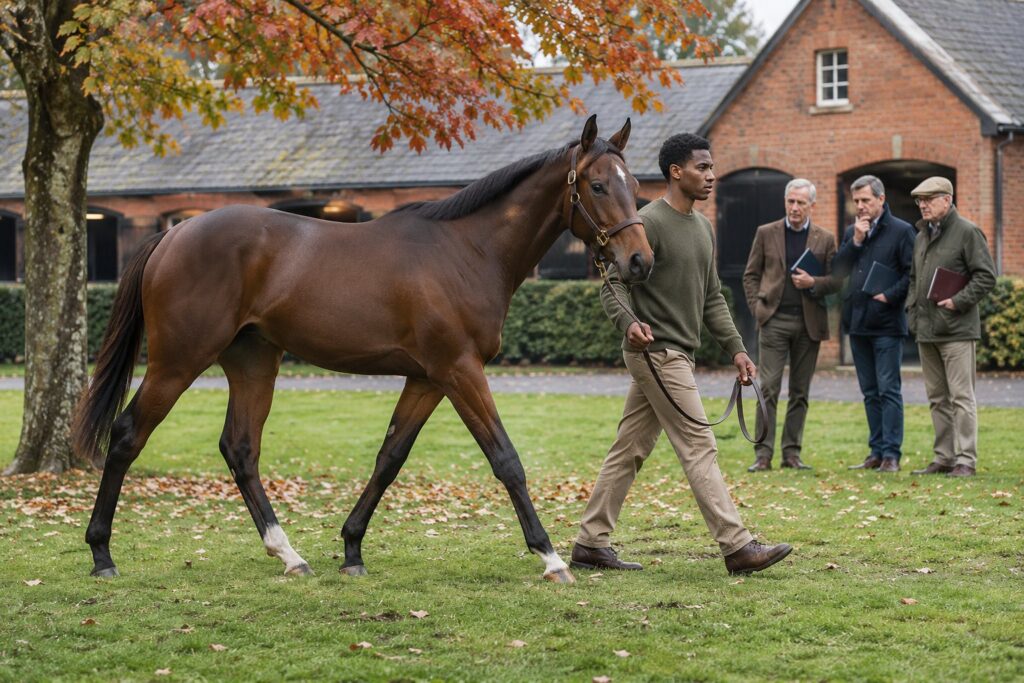
Selection starts long before the sale ring. We study pedigrees for the families that produce winners, then inspect each shortlisted horse in person for conformation, movement, balance and temperament.
Every horse we consider is examined by independent veterinarians, including X-rays and an airway scope, and is discussed with the trainer who would have it. A horse that fails an early stage never reaches a conversation about price.
The aim is simple: buy fewer horses, and better ones, at prices that make sense for the horse’s ability and its value beyond racing.
Training & Development
Most horses are bought as yearlings and do not race until they are two. In between comes a patient education: being broken in, learning to carry a rider, then building fitness through months of steady work.
Pretraining and training are handled by professional trainers who see the horse every day. They decide when it is ready to step up, and they will slow things down when a horse needs more time. Owners receive regular updates and are welcome to visit.
Patience at this stage protects the horse’s long-term soundness and gives it the best chance of reaching its potential on the track.
Entering A Race
When a horse is fit and ready, the trainer and our team choose its first race. That choice depends on the horse’s age, ability, preferred distance and surface, and the races available at the right tracks at the right time.
Horses usually begin in maiden races, open only to horses that have not yet won. From there they move through the levels, from allowance races to Listed, Graded and Group stakes, as their form allows.
Owners are told the plan in advance, so they can make arrangements to be there on the day.
Purses & Revenue
Every race offers prize money, known as the purse, which is shared among the first few finishers. The winner typically receives the largest share, with smaller amounts paid further down the order.
Purse earnings are paid to the owners in proportion to their interest, after the customary percentages to the trainer and jockey. A horse can also earn value through its sale, or through breeding once its racing career ends.
Prize money varies widely from race to race and from horse to horse, and many horses do not earn back their costs. We explain the figures openly so you understand both sides before you take part.
Breeding & Residual Value
A racehorse’s value does not always end with its racing career. A filly with good form and pedigree can become a valuable broodmare, and a successful colt may go on to stand as a stallion.
That residual value is one reason we place so much weight on pedigree at the point of purchase. Strong families tend to hold their value, even for horses that do not reach the top level on the track.
When the time comes, the options for each horse, whether sale, breeding or retirement, are discussed with owners and handled with the horse’s welfare in mind.
Understanding Risk
Racehorse ownership carries real risk, and we want you to understand it from the start. Horses can be injured or become ill, may not race as well as hoped, and can lose value. You should only invest money you can afford to lose.
Unlike shares or property, an interest in a racehorse can be difficult to sell quickly, and there is no guarantee of any return. Past results, including our own, do not predict future performance.
We manage risk through careful selection, veterinary checks, insurance and experienced trainers, but we cannot remove it. That is why we encourage every prospective owner to take independent advice before committing.
The Ownership Experience
Ownership is about more than the numbers. Owners receive regular updates from the stable, with photographs and notes on how their horses are training, and are invited to visit the barn and watch morning work.
On race day, owners have access to the paddock before the race and, with luck, the winner’s circle afterwards. Many of the best moments are shared with fellow owners, the trainer and the team.
Whether you follow every workout or simply enjoy the big days, the experience is shaped around how involved you want to be.
Your First Investment
The first step is a private, no-obligation conversation. We talk about your interests and goals, explain how ownership works with Bull Dance, and introduce the horses currently available.
If you would like to go further, we share the full horse profiles, figures and investor documents, and you are welcome to visit the horses in training and meet the trainer in person.
When you are ready, the agreements are provided for you to review with your own advisers, at your own pace. Once everything is signed, you are welcomed into the stable and the updates, visits and race days begin.
How To Invest
Your Path To Ownership
01
Explore
Meet the current horses and learn how ownership works.
02
Consultation
A private conversation about your goals and experience.
03
Private Access
Full horse profiles, figures and investor documents.
04
Visit
See the horse in training and meet the trainer in person.
05
Documentation
Agreements reviewed with your own advisers, at your pace.
06
Owner
Welcome to the stable: updates, visits and race days begin.
Racehorse ownership involves risk, including the loss of capital. Nothing on this page is an offer to sell any interest.
Ready When You Are
Talk To Us About Ownership
Request a private, no-obligation conversation about the horses available and whether ownership is right for you.