
Built Around Racing
Selecting a racehorse begins long before a purchase is considered. It starts with time spent following the sport: watching horses develop, studying performances, and understanding the decisions behind each race. The progression from racing fan to owner adds another dimension to that perspective. An owner comes to appreciate the preparation, patience, and judgment that competition demands. At Bull Dance, that combination of enthusiasm and an owner’s practical outlook guides our approach to selection, with attention to both the horse’s potential and the responsibilities that come with it.
Looking Beyond the Pedigree
A horse’s pedigree provides a starting point, offering clues about the distances, surfaces, and racing characteristics it may be suited to. But a distinguished bloodline is only one part of the picture. A thorough evaluation also considers physical build, balance, movement, and temperament. How does the horse carry itself? Does it move comfortably and efficiently? How does it respond to handling and unfamiliar surroundings? These observations help build an understanding of the individual horse, rather than relying on the reputation of its ancestors alone.
Studying Performance and Development
For a horse that has already raced, the finishing position tells only part of the story. Evaluating its record means looking at the quality of the competition, the distance and surface, and how the race unfolded. A difficult trip can disguise a promising effort, just as favorable circumstances can flatter a result. For younger or unraced horses, the focus shifts toward training progress, maturity, and readiness. The aim is to form a considered view of what the horse has demonstrated, where it may improve, and what kind of racing program could suit it.
Examining Health and the Ownership Commitment
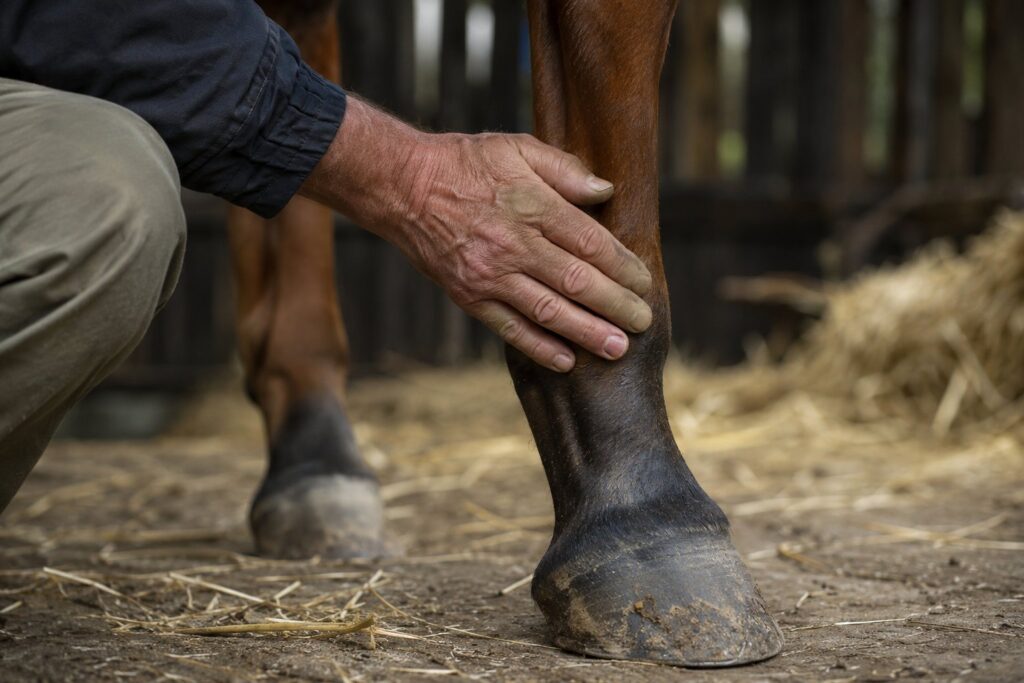
Any serious selection process must give health and soundness close attention. Veterinary assessment, available medical history, and appropriate diagnostic examinations help inform the decision and identify concerns that may affect training or racing. Alongside that evaluation comes a practical review of the purchase price and anticipated costs of care, preparation, and competition. No examination can remove every uncertainty, and no promising performance guarantees future success. Careful selection means weighing the available evidence, recognizing its limits, and being prepared to pass on a horse when the overall case is not convincing.
Choosing Horses With a Purpose
The final consideration is how a horse fits within the Bull Dance series. We look at the collection as a whole, considering each horse’s stage of development, likely racing opportunities, and anticipated demands on the program. The objective is to give each selection a clear rationale and a realistic path forward. For our investors, that means the horses they follow are part of a considered plan, supported by research and ongoing management. The excitement of ownership